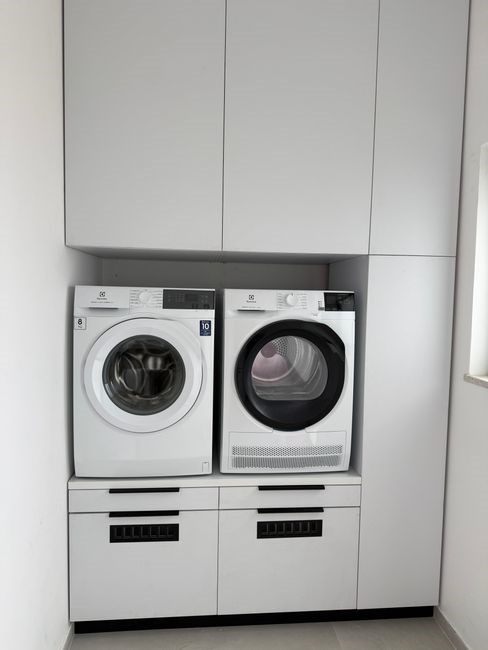
Indesit Washer‑Dryer User Manual Overview
Explore the Indesit Washer‑Dryer manual: download PDF, learn installation, operation, cycle selection, maintenance, and troubleshooting. It covers safety, water and power connections, and provides step‑by‑step guidance for optimal performance. The manual includes diagrams, safety warnings, and FAQs. Enjoy. Now.

Safety Precautions and Electrical Requirements
Before operating your Indesit washer‑dryer, read all safety warnings and ensure the appliance is installed in a dry, well‑ventilated area. The unit requires a dedicated 240‑V, 50‑Hz circuit with a minimum 10‑A circuit breaker. Avoid using extension cords or multi‑port adapters; connect directly to a grounded outlet. The appliance must be grounded to prevent electric shock. Ensure the power cord is free of damage, and replace it if frayed or cut. Do not operate the machine if the door or lid latch is defective; a secure seal is essential for safe operation. Keep the surrounding area clear of flammable materials and ensure adequate clearance (at least 15 cm on all sides) for ventilation and service access. The machine’s internal components are sealed; do not attempt to open the housing while the appliance is powered on. If you notice any sparking, unusual noise, or overheating, unplug immediately and contact service. The user manual provides detailed wiring diagrams; follow the manufacturer’s color‑coded cable instructions to match the live, neutral, and earth wires correctly. Use only the supplied power cable and avoid overloading the circuit. The appliance’s safety interlocks will stop operation if the door is opened during a cycle. Always follow the manufacturer’s guidelines for water inlet pressure (minimum 0.5 bar, maximum 1.5 bar) and temperature limits. The washer‑dryer is designed for indoor use only; do not expose it to rain, high humidity, or direct sunlight. For proper grounding, connect the earth wire to a metal water pipe or a dedicated grounding rod. Adhering to these precautions ensures safe, efficient, and reliable operation of your Indesit washer‑dryer. Electrical safety is paramount: verify that the circuit breaker is rated for the appliance’s current draw and that the wiring gauge matches the manufacturer’s specifications (typically 2.5 mm² for 10 A circuits). Do not use the appliance with a damaged or loose plug; replace immediately. The appliance’s control panel is protected by a fuse; if the fuse blows, replace with the same rating. Keep the control panel dry; wipe with a damp cloth if water spills. Overloading can cause overheating and pose a fire risk. The user manual includes a troubleshooting section for electrical faults; consult before attempting repairs. Always disconnect the power supply before performing any maintenance or cleaning of the appliance. Follow the manufacturer’s instructions for installing the water filter and drainage hose; improper installation can lead to leaks and water damage. Register the appliance with Indesit to activate the warranty and receive updates on safety recalls. Stay safe!Ok. Thanks!!!
Unpacking, Leveling and Installation Guidelines
Before you begin, verify that the shipment box is intact and that no visible damage has occurred during transit. Carefully remove the outer cardboard and the protective film covering the appliance. Gently lift the Indesit washer‑dryer onto a flat, stable floor surface, ensuring that the floor can support the unit’s maximum weight (approximately 120 kg). Use a spirit level or a digital inclinometer to check each corner of the machine; adjust the built‑in leveling feet until the appliance is perfectly horizontal. The manufacturer specifies a maximum tilt of 2 mm per side; exceeding this can affect wash and dry performance. Once the unit is level, secure it to the floor or wall using the supplied brackets and screws to prevent tipping during operation. Position the machine so that the door or lid can open fully without obstruction, and leave at least 15 cm of clearance on all sides for proper ventilation and maintenance access. Connect the water inlet hoses to the cold water supply, ensuring the valves are closed while installing. Attach the drainage hose to the outlet, making sure it is free of kinks and positioned at least 50 cm above the floor to avoid back‑flow. Verify that the power cord is not stretched or pinched; route it along the wall and secure with cable ties or a cord management system; After all connections are made, perform a short test cycle to confirm that the machine operates correctly before loading laundry. Keep the user manual in a convenient location for reference during future maintenance. Always adhere to the safety precautions and electrical requirements outlined elsewhere in the manual to ensure safe and reliable operation. After the test cycle, inspect the appliance for any leaks or unusual noises. If any issues arise, refer to the troubleshooting section. Label the water inlet and drainage hoses for future reference. Store the packaging materials in a dry place. The manual also recommends checking the appliance’s serial number and registering it online to activate the warranty. Finally, schedule periodic maintenance as described in the maintenance section to keep the washer‑dryer running efficiently. The installation process also includes verifying that the appliance’s internal components, such as the drum bearings and motor couplings, are properly lubricated according to the manufacturer’s specifications, which helps reduce vibration and extend the machine’s lifespan during long‑term use. Regular checks of door seals and drainage fittings prevent water damage and ensure performance.

Connecting Power and Water Supplies
Before connecting the Indesit washer‑dryer, confirm that the electrical supply matches the appliance rating: 230 V, 50 Hz, single‑phase, 10 A circuit. Use a dedicated, grounded outlet with a residual‑current device (RCD) for safety. Unplug the power cord, then attach the supplied plug to the outlet, ensuring a firm connection. The power cord should be routed along the wall, avoiding sharp bends or heat sources. For water supply, close both the cold water inlet and drain valves. Attach the supplied hoses to the machine’s inlet ports; the hoses should be kink‑free and have a diameter of 15 mm. Connect the drain hose to the home drainage system, positioning it at least 50 cm above the floor to prevent back‑flow. Verify that the hoses are secure and that the machine’s water pressure does not exceed 3 bar. Once connections are complete, open the water valves and perform a short test run to check for leaks. If any leakage occurs, tighten the fittings or replace damaged hoses. All hoses be tight now Ensure that the machine’s door or lid is closed during the test. After confirming a leak‑free operation, close the water valves. The appliance’s internal pressure relief valve will automatically regulate water flow during cycles. Finally, check that the power cord is not exposed to moisture and that the outlet is free of dust or debris. Follow the manufacturer’s safety instructions to avoid electrical hazards. Keep the user manual accessible for reference during future maintenance or troubleshooting. The proper connection of power and water supplies is critical for safe operation and optimal performance.
Operating the Washer‑Dryer: Basic Controls
The Indesit washer‑dryer’s control panel is designed for straightforward operation. The primary buttons are POWER, START/PAUSE, STOP, and CYCLE. Press POWER to energise the unit; the display lights up and shows the current mode. The START/PAUSE button begins the selected programme or temporarily halts it. When paused, a flashing indicator light confirms the machine is in standby. Press STOP to terminate the cycle; the appliance will finish the current step before shutting down.
Cycle selection is managed by the CYCLE button, which cycles through WASH, DRY, and WASH‑DRY programmes. Each programme offers sub‑options for temperature, spin speed, and duration. After choosing the desired programme, use the TEMPERATURE, SPIN, and TIME buttons to fine‑tune settings. The display updates in real time, showing values such as “60 °C / 1200 rpm”. A progress bar and remaining‑time indicator appear during operation, giving clear feedback on cycle status.
Additional controls include a CHILD LOCK button that disables all programmable functions except POWER and STOP, ensuring safety for households with children. The LIGHT button toggles the interior light on or off during the cycle and also controls the door‑lock indicator, which illuminates when the door is securely latched. The machine offers a DELAY START feature: press DELAY, then set the desired start time using the TIME button; the appliance will automatically begin the cycle at the specified hour.
Mid‑cycle adjustments are simple: press START/PAUSE to pause, then press START/PAUSE again to resume. When the cycle completes, a gentle chime signals “DONE” and the display clears. At this point, you may open the door, unload clothes, and reset the machine by pressing POWER again. The intuitive layout of the control panel ensures that even first‑time users can operate the Indesit washer‑dryer with confidence and precision, making laundry tasks quick, efficient, and hassle‑free.

Advanced Cycle Settings and Customization
Indesit washer‑dryers offer a suite of advanced cycle settings that empower users to tailor each wash or dry to specific fabric needs. The machine’s menu presents dedicated sub‑menus for Eco Mode, Quick Wash, Pre‑Wash, Rinse, and Spin‑Only, each with adjustable temperature, spin speed, and duration. Eco Mode automatically lowers water temperature and extends cycle time to cut energy use, while Quick Wash delivers a 20‑minute cleanse for lightly soiled items. Pre‑Wash adds a high‑temperature rinse to loosen stubborn stains, and Rinse provides an extra rinse without extra detergent for sensitive skins. Spin‑Only removes excess water from pre‑washed loads, saving time and energy. Drying options include Normal Dry, Low Heat, High Heat, and Air‑Dry; Low Heat protects delicate fabrics, High Heat dries cottons and towels thoroughly, and Air‑Dry uses the heat‑exchanger to remove moisture without heat, preserving fabric integrity. Users can set a Drying Time limit, after which the machine will automatically stop to prevent over‑drying. Fabric Care presets such as Wool, Silk, and Synthetic adjust temperature, spin speed, and cycle duration automatically. The Delay Start feature allows scheduling up to 24 hours in advance, and the Child Lock prevents accidental changes. All advanced settings are displayed on the touch‑screen, enabling real‑time monitoring and adjustments. The display also shows remaining time and energy consumption, allowing users to make informed decisions during the cycle. When a cycle finishes, a chime alerts you and the door unlocks automatically access!.

Change Cycle Mid‑Operation Procedure
To modify a cycle while the washer‑dryer is running, press the START/PAUSE button until the indicator light flashes, indicating the machine is paused. The display will show “PAUSED” and the current cycle name. Use the cycle selector knob or touch‑screen to choose a new program from the available list. After selecting, press START/PAUSE again to resume operation. The machine will automatically adjust water level, temperature, and spin speed according to the new cycle’s parameters. If a rinse or spin‑only step is required, the system will insert it before continuing. For dryers, selecting a different heat setting will change the drying temperature and time. The door remains locked until the cycle is fully completed or manually canceled. To cancel the current cycle, press the CANCEL button; the machine will return to standby mode; Always ensure the door is closed and the machine is on a level surface before resuming. This procedure is safe for all models and helps adapt to unexpected changes in load or fabric type. Step 1: Press START/PAUSE until the indicator light blinks, confirming the machine is paused. Step 2: Use the cycle selector knob or touch‑screen to navigate to the desired program. Step 3: Confirm selection by pressing START/PAUSE again. The machine will automatically reconfigure water level, temperature, and spin speed to match the new program. Step 4: If you need to cancel the change, press CANCEL; the machine will revert to standby. Step 5: After the new cycle completes, the door unlocks automatically, allowing you to remove the load. Enjoy!

Maintenance and Cleaning Recommendations
Regular upkeep keeps your Indesit washer‑dryer running efficiently and prolongs its life. Follow these steps each month:
- Detergent drawer: Remove the drawer, rinse with warm water, and scrub with a soft brush to eliminate soap scum and residue. Dry thoroughly before reinserting.
- Filter (wash cycle): Open the back panel, locate the lint filter, and clean it with a soft brush or a vacuum. A clogged filter reduces water flow and can cause overheating.
- Filter (dry cycle): Inspect the dryer’s lint trap after each load; remove lint with a brush. Keep the vent hose clear of obstructions and check the external vent cover for blockages.
- Door seal: Wipe the rubber gasket with a damp cloth and mild detergent. Inspect for cracks; replace if damaged to prevent leaks.
- Exterior: Wipe the control panel and cabinet with a damp cloth. Avoid abrasive cleaners that may scratch the surface.
- Water inlet hoses: Inspect annually for kinks or leaks. Tighten fittings securely to prevent water damage.
- Ventilation: Ensure the room has adequate airflow. Keep the area around the unit free of obstructions.
- Electrical connections: Check the power cord for fraying. Replace if necessary to avoid electrical hazards.
- Professional service: Schedule a technician every 2–3 years to inspect internal components, clean the drum, and verify safety mechanisms.
By adhering to these maintenance practices, you’ll maintain optimal performance, reduce energy consumption, and avoid costly repairs.
Use a mild detergent for regular cleaning, and run a dry‑only cycle with a towel to absorb excess moisture. Store the machine in a well‑ventilated area, and periodically check the vent hose for clogs to ensure efficient drying performance and keep!

Troubleshooting Common Issues
When your Indesit washer‑dryer behaves unexpectedly, use the following systematic approach to identify and resolve the problem. Always refer to the safety precautions before touching any internal components.
- Machine does not start: Verify the power cord is firmly plugged in and the outlet is functioning. Check that the door or lid latch is fully closed. The unit will not operate if the safety interlock is disengaged.
- Unusual noises: Loud rattling or grinding usually indicates foreign objects in the drum or a misaligned agitator. Inspect the drum for debris, remove any items, and ensure the drum is level. If noise persists, contact service.
- Water leakage: Inspect inlet hoses for kinks or loose connections. Tighten fittings and replace damaged hoses. Check the door seal for cracks; replace if necessary.
- Dryer not heating: Confirm the heating element is intact and the thermostat is functioning. If the element is burnt or the thermostat fails, professional repair is required.
- Cycle stops mid‑run: This may be due to a faulty door latch sensor or a broken timer. Reset the unit by unplugging for 30 seconds, then restart. If the issue continues, consult a technician.
- Excessive vibration: Ensure the washer is level on the floor and that the feet are adjusted correctly. Uneven surfaces can cause the machine to vibrate excessively during spin cycles.
Keep your washer‑dryer in top shape daily
Regular checks save time and money, keeping washer‑dryer efficient!

Warranty Coverage and Service Procedures
All Indesit washer‑dryers are covered by a standard one‑year limited warranty, which protects against manufacturing defects in parts and workmanship. The warranty period begins on the date of purchase and applies only when the appliance has been installed in a residential setting, used with a standard 230 V, 50 Hz supply, and maintained according to the user manual. Coverage includes replacement of defective components, repair of faults, and, where applicable, replacement of the entire unit if the defect cannot be remedied within a reasonable time.
To claim warranty service, locate the serial number on the back of the unit and the purchase receipt. Contact the authorized Indesit service center via the phone number listed in the manual or on the Indesit website. Provide the model number, serial number, and a detailed description of the fault. The service center will schedule a technician visit, usually within 48 hours. If the appliance is still under warranty, the technician will perform the repair on site or arrange for pickup and return. Parts replaced under warranty are guaranteed for an additional 12 months from the date of repair.
For non‑warranty repairs, the service center will provide a written estimate. The customer may choose to proceed with the repair or seek a third‑party repair shop. All service calls are logged in the Indesit service database, and a service history report is provided to the owner. If the appliance is no longer under warranty and the repair cost exceeds the value of a new unit, the customer may opt for a refurbished replacement through the authorized dealer network.
Warranty coverage lasts one year from purchase, provided the unit is installed in a domestic setting and maintained per the manual. If a defect occurs, the customer must contact the authorized service center, supply the serial number, and describe the fault. The technician will diagnose and, if covered, replace or repair the part at no charge. Parts replaced under warranty carry an additional twelve‑month guarantee.
How to Download and Access the PDF Manual
Indesit supplies a free PDF of the washer‑dryer user manual directly from its official website and from reputable third‑party archives. To locate the file, go to the Indesit support page and click the “Downloads” tab. From the list of product lines, select the model that matches your appliance (for example, XWDE 861480 or WIDL 106). The manual will appear as a PDF link, usually titled “User Manual – PDF.” Clicking the link opens a preview window; you can read the document online or click the download icon to save the file to your computer. The PDF is typically around 8.7 MB, making it easy to download over most broadband connections.
Alternatively, the manual can be found on the Internet Archive, where the file is stored under the identifier “manualsbase‑id‑631642.” The archive hosts a high‑resolution scan, often with OCR text, making the document searchable. To download, click the “Download PDF” button and choose the desired format (PDF, ZIP, or plain text). If you prefer a printed copy, the PDF can be printed directly from the browser or saved to a USB drive.
For users who prefer a mobile experience, the Indesit app (available on iOS and Android) includes a “Manuals” tab. After logging in with your customer account, you can view the PDF in the app or send it to your email. The app also offers quick access to troubleshooting tips and FAQ sections. If you encounter any issues during download, ensure that your browser allows pop‑ups and that JavaScript is enabled. Clearing the browser cache or trying a different browser can resolve common download errors.
Once downloaded, store the PDF in a secure location on your computer or cloud storage. The file can be opened with any standard PDF reader, such as Adobe Acrobat Reader, Foxit Reader, or the built‑in viewer in most operating systems. Keep the manual handy for reference during installation, operation, and maintenance of your Indesit washer‑dryer.

Glossary of Key Terms
Below is a concise reference of terms frequently encountered in the Indesit washer‑dryer manual. Each entry provides a brief definition to aid users in understanding controls, settings, and maintenance procedures.
- Cycle – A predefined sequence of wash or dry operations.
- Start/Pause – A button that starts or pauses the cycle.
- Load Capacity – Max weight the machine can handle per cycle.
- Spin Speed – Drum rotation speed in RPM during spin;
- Drainage – Process of expelling water from the drum.
- Water Inlet Valve – Controls water flow into the machine.
- Heating Element – Electric part that heats water or air.
- Ventilation – Airflow that removes moisture and heat.
- Timer – Electronic counter that tracks cycle duration.
- Eco Mode – Energy‑saving setting that reduces consumption.
- Child Lock – Safety feature preventing accidental changes.
- Filter – Removes lint and debris during drying.
- Safety Switch – Prevents operation when the door is open.
- Warranty – Period of manufacturer guarantee for repairs.
- Maintenance Mode – Diagnostic setting for self‑tests.
- Indicator Light – LED that shows status such as Ready, Running, or Error during operation.
Enjoy.